Advertisements

Why Maintenance Software for Property Managers Saved My Sanity (and My Weekends)
Did you know that property managers spend an average of 15 hours a week just handling maintenance requests? I read that stat somewhere and honestly, it felt low compared to what I was dealing with a few years back! I used to manage a small portfolio of rental units on the side, and let me tell you, my phone never stopped buzzing.
Maintenance software for property managers isn’t just some fancy tech buzzword. It’s the difference between chasing your tail every Saturday morning and actually enjoying your coffee while everything runs smooth in the background. I learned this the hard way, so let me save you some grief.
My Embarrassing “Sticky Note System” Phase
So here’s a confession. For the first year of managing properties, I ran everything off sticky notes and a group text. Yeah, I know. Looking back, it’s kind of hilarious, but at the time it was a nightmare.
One time a tenant called about a leaking pipe, and I straight up forgot to write it down. Three days later she called again, furious, and I had no record of the first call. That was a rough conversation. Water damage had already started spreading to the unit below, which meant I was now dealing with two angry tenants instead of one.
That was my breaking point. I started researching property management platforms that could actually track maintenance requests properly, and my life changed pretty quick.
What Good Maintenance Software Actually Does
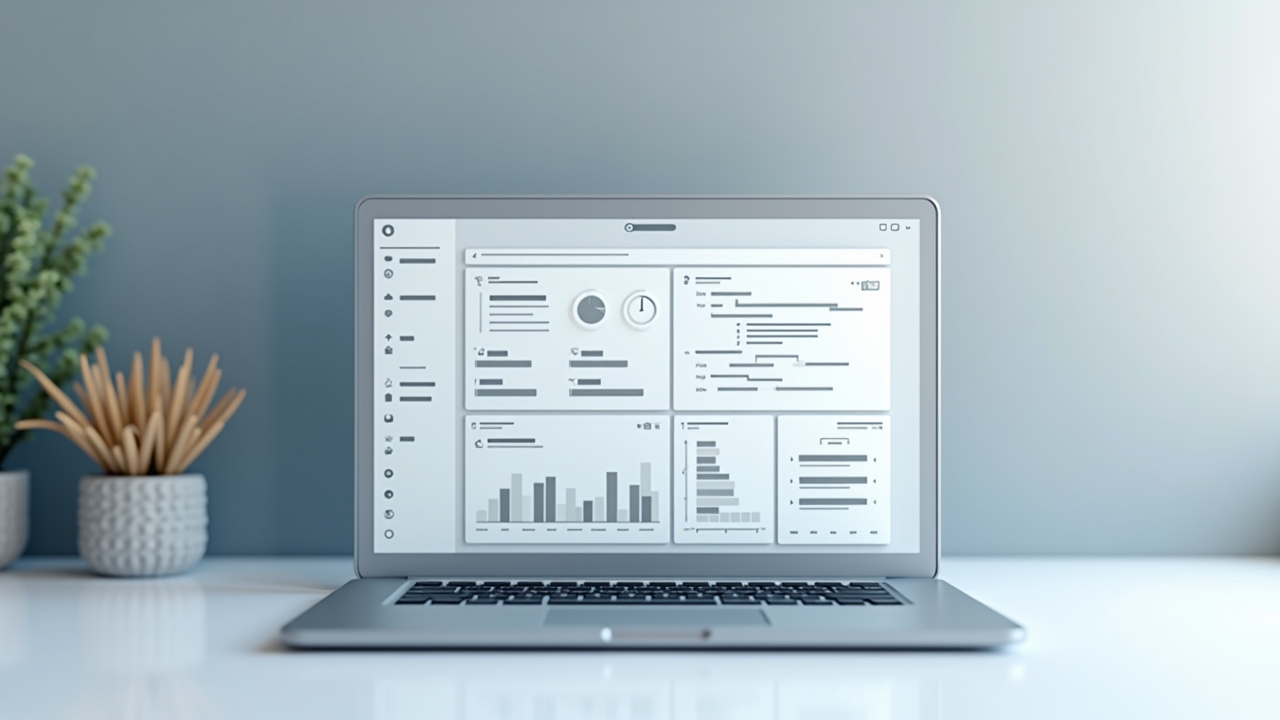
Maintenance software isn’t just a fancy to-do list, though it does help with that too. The best platforms handle a bunch of moving pieces at once, and once you see it working, you’ll wonder how you survived without it.
- Automatically logs tenant requests through an app or portal, so nothing gets lost in a text thread
- Assigns work orders to vendors or in-house staff based on availability and specialty
- Tracks the status of repairs from “reported” to “completed,” with timestamps for accountability
- Sends automated reminders for recurring maintenance like HVAC filter changes or fire extinguisher inspections
- Stores maintenance history for each unit, which is huge when you’re trying to spot patterns (like that one unit that always has plumbing issues)
I remember switching over and thinking, “okay this is fine, whatever,” but within like two weeks I was hooked. Having a paper trail for every single request meant no more he-said-she-said arguments with tenants. It also meant vendors couldn’t ghost me because everything was documented and time-stamped.
Advertisements
The Financial Side Nobody Talks About Enough
Here’s something that surprised me. Good maintenance tracking actually saves money, not just time. When you can see patterns across your properties, you start catching small problems before they become five-figure disasters.
For example, I noticed one property kept having minor electrical issues every few months. Instead of just patching things up each time, the data helped me realize it needed a full rewiring job. Expensive upfront, sure, but way cheaper than a fire or a lawsuit.
Software like AppFolio or Rent Manager also help you budget for maintenance more accurately since you’ve got historical data instead of just guessing. I used to eyeball my maintenance budget every year, and honestly? I was usually wrong, sometimes by a lot.
Tips From My Trial and Error
- Don’t pick software just because it’s popular, pick one that matches the size of your portfolio
- Train your tenants on how to submit requests properly, otherwise you’ll still get random texts anyway
- Set up automated follow-ups so vendors don’t fall behind on jobs
- Review your maintenance reports monthly, not just when something breaks
One mistake I made early on was picking a system that was honestly way too complicated for what I needed. It had all these features for managing hundreds of units, and I only had like twelve at the time. I was paying for stuff I never touched. Lesson learned: match the tool to your actual needs, not to what looks impressive in a demo.
Vendor Relationships Got Way Better Too
This part surprised me the most, honestly. Once I started using software that tracked response times and job completion, my vendor relationships actually improved. They knew I was keeping records, so they showed up on time more consistently. And when there was a dispute about whether a job got done right, we had photos and notes to look back on instead of just arguing about it.
It’s a small thing, but it builds trust on both sides. Tenants feel heard because their requests are being tracked properly, and vendors respect that you’re organized and not just winging it every day.
Making Maintenance Software Work For You, Not Against You
Look, no software is magic. You still have to actually use it consistently, train your team (even if that team is just you and one handyman), and keep your records updated. But once it becomes part of your routine, the payoff is huge. I went from dreading my phone buzzing to actually feeling on top of things, which honestly felt like a small miracle at the time.
Maintenance software for property managers is one of those investments that pays for itself pretty quickly once you factor in time saved, disputes avoided, and repairs caught early. Every portfolio is different though, so take the time to figure out what features actually matter for your situation instead of just copying what worked for someone else.
And hey, always keep tenant safety and fair housing practices in mind when setting up any automated system. Software should make things easier, not replace good judgment or ethical management.
If this got you thinking about leveling up how you manage your properties, there’s a lot more where this came from. Check out more practical guides and real talk over at the Propentrify blog, I promise it’s worth the scroll.