Advertisements

Landlord Software for Beginners: The Stuff I Wish Someone Told Me
Did you know that nearly 70% of small landlords still use spreadsheets or, worse, a shoebox full of receipts to manage their properties? I read that stat somewhere a few years back and honestly laughed, because that was me! I was the shoebox guy. If you’re just starting out as a landlord and feeling overwhelmed by the paperwork, the late-night rent tracking, and the constant fear of missing a maintenance request, you’re in the right place. Let’s talk about landlord software, because it genuinely changed how I run my rental business!
My Embarrassing Start With Property Management
So here’s the thing. When I bought my first duplex about eight years ago, I thought I was smart enough to handle everything with a basic Excel sheet. I was not. Within three months I’d double-booked a maintenance guy, forgotten to collect a late fee, and accidentally sent an eviction notice draft to the wrong tenant (thankfully I caught it before hitting send, that would’ve been a disaster).
That whole mess is what pushed me toward researching landlord software. And honestly, I felt kinda dumb for waiting so long. There’s a reason platforms like Avail and Buildium exist, they solve real problems that beginners run into constantly.
What Landlord Software Actually Does For You
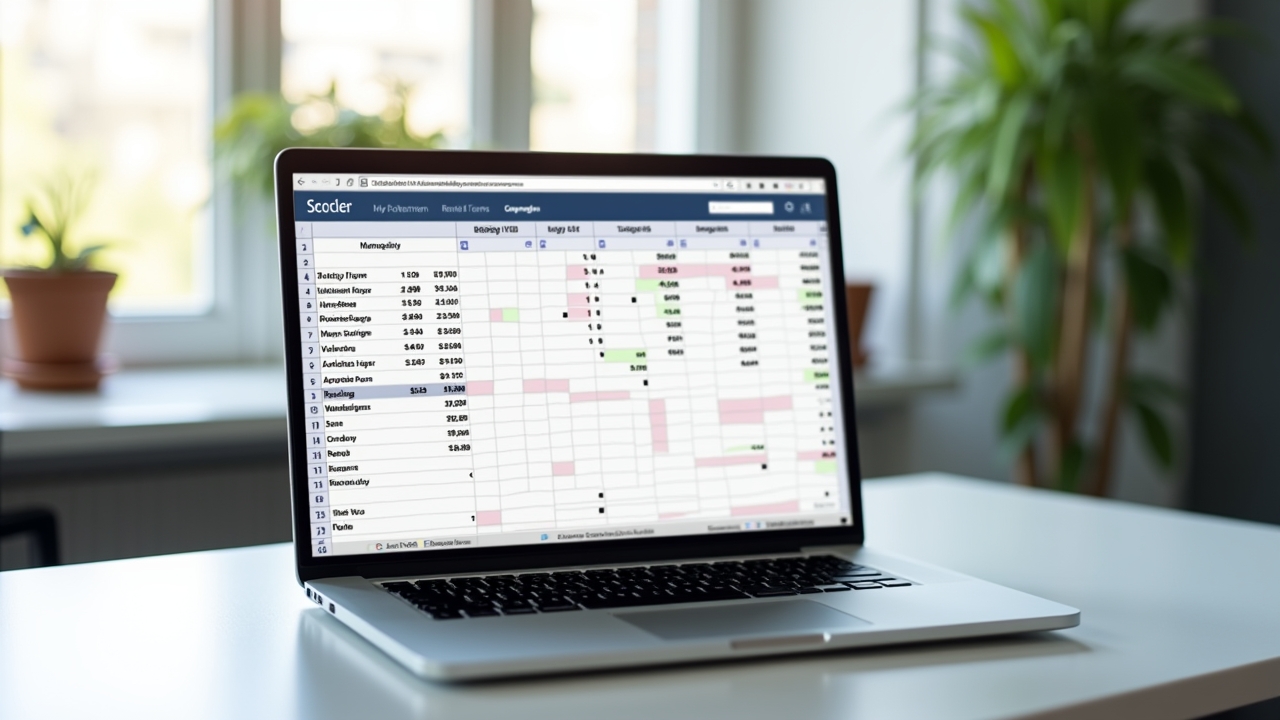
If you’re new to this, landlord software basically centralizes everything you need to manage rental properties. Rent collection, tenant screening, lease agreements, maintenance tracking, accounting, it’s all in one place instead of scattered across your email, phone, and that notebook you keep losing.
- Automated rent reminders and online payments
- Digital lease signing (no more chasing tenants for signatures)
- Tenant screening with background and credit checks
- Maintenance request tracking so nothing falls through the cracks
- Financial reporting for tax season, which is honestly a lifesaver
I remember switching to a proper system and just sitting there thinking, “wait, this is it? This is all I had to do?” It felt almost too easy after years of manual tracking.
Picking the Right Software When You’re Just Starting Out
Now, there’s a ton of options out there and it can get confusing fast. Some are built for big property managers with hundreds of units, others are made for small landlords with one or two properties. You don’t need enterprise-level tools if you’re just managing a duplex.
For beginners, I’d recommend looking at something simple first. Apps like RentRedi or TurboTenant are pretty beginner-friendly and won’t overwhelm you with features you don’t need yet. Start small, learn the system, then scale up as your portfolio grows.
Advertisements
Things I Look For Before Committing to a Platform
- Free trial or free tier (test before you commit, always)
- Mobile app access, because you’ll want to check things on the go
- Customer support that actually responds, this matters more than you think
- Integration with your bank for easy rent deposits
- Clear pricing, no hidden fees sneaking up on you later
I once signed up for a platform that seemed cheap upfront but tacked on fees for basically every feature. That was a frustrating month of me trying to cancel and switch to something else. Lesson learned, read the fine print, friends.
The Learning Curve Is Real, But Don’t Panic
I won’t lie to you, there’s a bit of a learning curve when you first start using landlord software. Setting up your properties, importing tenant info, configuring payment schedules, it takes an afternoon or two to get comfortable. But once it’s set up, maintaining it takes maybe ten minutes a week.
My biggest mistake early on was rushing the setup process. I skipped reading the onboarding guide because I was impatient, and ended up with duplicate tenant profiles that confused my rent tracking for weeks. Slow down. Read the tutorials. Your future self will thank you.
Why Automation Became My Best Friend
Honestly, the automation features are what sold me completely. Automatic late fee calculations, automatic rent reminders sent to tenants, automatic reports generated for my accountant, it’s a game changer. I used to spend entire Sunday evenings doing this stuff manually.
Now I spend that time actually enjoying my weekend, which sounds small but trust me, it’s huge when you’re managing properties on top of a full-time job. The legal side of landlording is complicated enough without adding manual bookkeeping stress on top.
A Quick Word on Tenant Screening
This part deserves its own mention. Tenant screening tools built into most landlord software let you run background checks, credit reports, and eviction history quickly. Before I had this, I was basically just trusting my gut, which is a terrible way to pick tenants, by the way. Don’t do that.
Wrapping This Up, Sort Of
Getting started with landlord software feels intimidating at first, I get it, I was there too. But taking the time to research and pick a platform that fits your specific needs will save you countless headaches down the road. Every landlord’s situation is different, so customize your setup based on your property size, your budget, and how hands-on you want to be.
Just remember to stay compliant with your local landlord-tenant laws no matter what software you use, since no app replaces knowing your legal responsibilities. If you found this helpful, go check out more guides and tips over at the Propentrify blog, there’s a lot more there to help you feel confident running your rental business!