Advertisements

Commercial Property Software Features That Actually Matter (I Learned the Hard Way)
Did you know that nearly 60% of commercial real estate professionals say outdated tech is their biggest operational headache? Yeah, I was shocked too when I first read that stat! I’ve spent the last several years managing a small portfolio of commercial properties, and let me tell you, picking the right software isn’t just a “nice to have” anymore—it’s survival.
I remember switching from spreadsheets to my first property management platform back in 2019. Big mistake, small mistake, huge mistake actually—I picked a system based purely on price and ended up locked into a contract with software that couldn’t even handle basic lease tracking! So let’s talk about what features actually matter, because I’ve made pretty much every mistake possible so you don’t have to.
Lease Management and Tracking
This one’s non-negotiable, folks. Your software needs to track lease expirations, renewal options, escalation clauses, and CAM reconciliations without you having to manually check a calendar every single week.
- Automated renewal alerts (trust me, missing these is a nightmare)
- Rent escalation calculators built right in
- Document storage for lease agreements and amendments
- Tenant contact info centralized in one spot
I once forgot a lease renewal deadline because it was buried in a shared Google Drive folder nobody checked. The tenant almost walked. Never. Again.
Financial Reporting and Accounting Integration
Look, if your software can’t talk to your accounting system, you’re gonna have a bad time. I learned this after spending three weekends manually reconciling numbers between two separate platforms that just wouldn’t sync properly.
Good commercial property software should integrate with tools like QuickBooks or offer robust built-in accounting features.
- Real-time P&L statements by property or unit
- Automated invoicing and rent collection
- Budget vs. actual comparisons
- Tax document generation
This stuff saves hours every month, seriously. And honestly, the time you save can go toward actually growing your portfolio instead of drowning in Excel formulas.
Advertisements
Maintenance and Work Order Management
I’ll admit something kinda embarrassing here. For the first year I managed properties, I tracked maintenance requests through text messages. TEXT MESSAGES. Can you imagine the chaos? Requests got lost, vendors weren’t scheduled properly, and tenants were furious.
A solid platform lets you assign work orders, track vendor performance, and keep a maintenance history for every unit.
- Mobile app access for on-site staff
- Vendor scheduling and communication tools
- Preventive maintenance scheduling
- Photo and note attachments for work orders
Once I finally implemented proper work order software, tenant satisfaction scores went up noticeably. Small change, big impact.
Tenant Communication Portals
Tenants expect convenience these days, and honestly, who can blame them? A tenant portal where they can pay rent, submit maintenance requests, and access documents is basically table stakes now.
Sites like Buildium and other platforms have shown how much friction this removes from day-to-day operations.
- Online rent payment options
- Self-service maintenance request submission
- Document access (lease copies, notices, etc.)
- Direct messaging with property management
Fewer phone calls, fewer emails, less stress. I can’t stress this enough (pun intended, sorry not sorry).
Reporting, Analytics, and Data Visualization
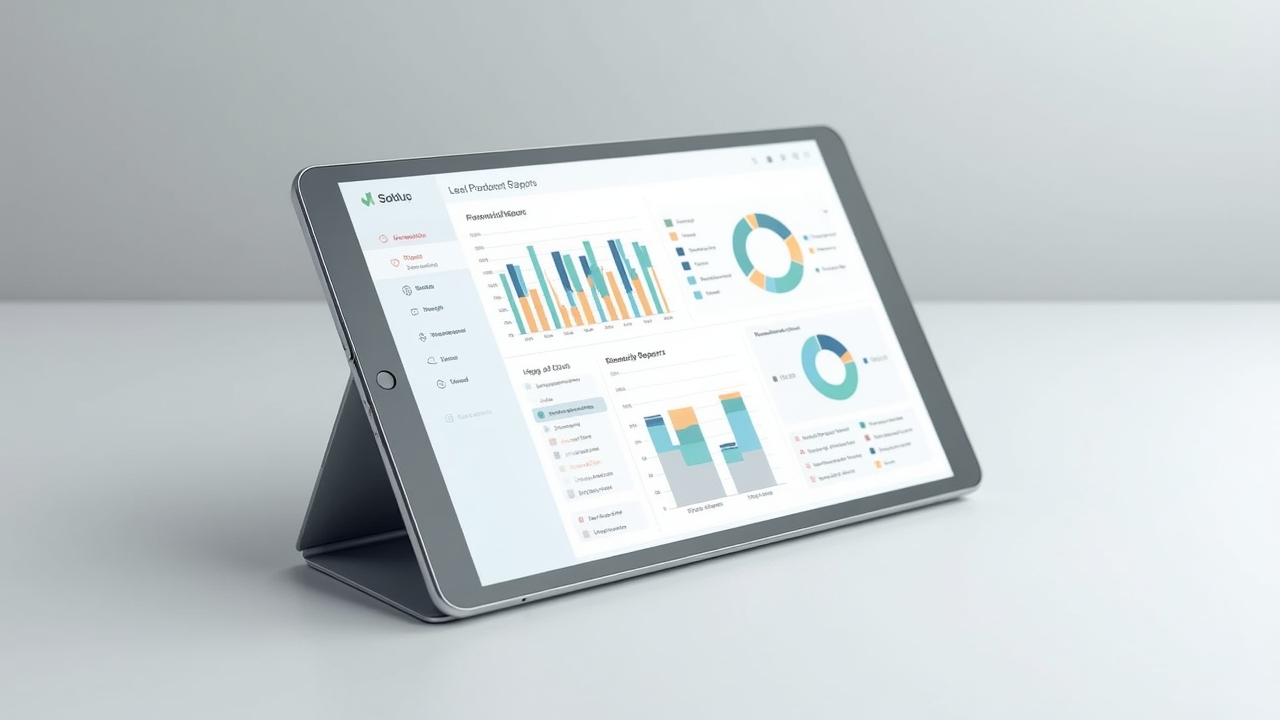
You need to actually understand your portfolio’s performance, not just guess based on gut feeling. The best software gives you dashboards showing occupancy rates, revenue trends, and maintenance costs at a glance.
- Customizable dashboards
- Occupancy and vacancy tracking
- Market comparison data
- Export options for investor reports
I used to spend an entire day each month building reports manually for investors. Now it takes maybe twenty minutes. That’s the power of good analytics tools, and it genuinely changed how I run my business.
Scalability and Integration Capabilities
One thing people overlook—will this software grow with you? I picked a platform early on that worked great for five properties but completely fell apart when I hit fifteen. Total headache, had to migrate everything mid-year, which was a nightmare of data transfers and retraining staff.
Look for software that integrates with other tools you already use, whether that’s accounting software, CRM systems, or marketing platforms.
Ask vendors directly about API access and third-party integrations before committing. Seriously, just ask. It saves so much pain later.
Bringing It All Together
Choosing commercial property software isn’t just about checking boxes on a features list—it’s about finding a system that actually fits how you work. Every portfolio is different, so customize your search based on your specific needs, whether that’s heavy lease management, robust financial reporting, or top-notch tenant communication.
Always keep data security and tenant privacy in mind too; not every platform handles sensitive information the same way, so do your homework there.
If you found this helpful, there’s a ton more where that came from. Check out more guides and tips over at the Propentrify blog—trust me, your future self managing properties will thank you!